 info@belizevaca.com
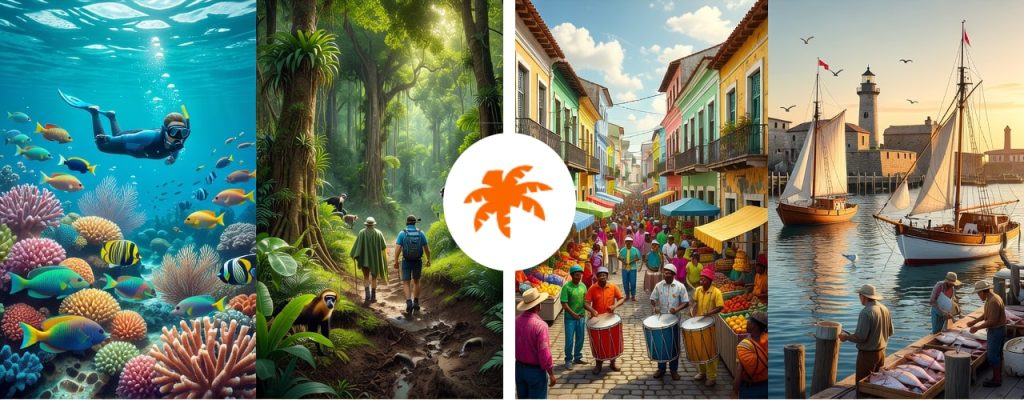
While the Caribbean is often discussed as a single destination, selecting an island requires navigating a highly diverse array of ecosystems, cultures, and terrains. One island revolves around coral reefs, another around rainforest trails, and another around music, markets, or old harbor towns. While the famous coastlines are an obvious draw, they reveal only a fraction of each island’s distinct character.
Every destination featured here has plenty beyond the coastline. Venturing inland to explore local markets, quiet coastal roads, and historic architecture provides an authentic look at life beyond the resorts. Navigating these environments is most rewarding in the early morning, allowing you to bypass the intense midday heat and experience the towns before the daily cruise traffic arrives.
Turks and Caicos for Untouched Beaches and Private Stays
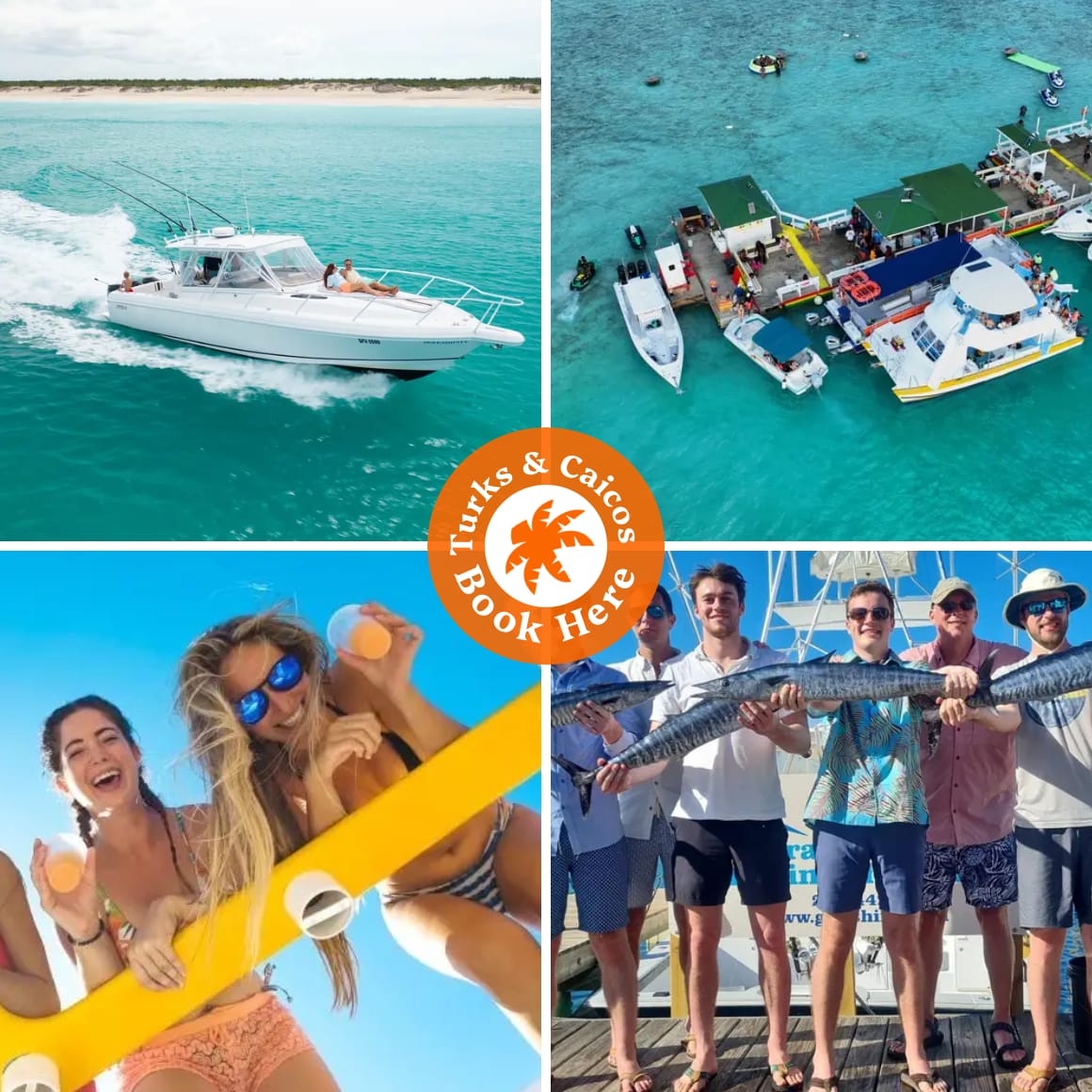
The waters surrounding the Turks and Caicos Islands are globally renowned for their clarity, with shallow, sandy coastal shelves that reflect sunlight to produce a brilliant turquoise hue. While Grace Bay remains the focal point for most visitors, eastern coastal extensions like Leeward Beach and the rugged shoreline of Malcolm’s Road Beach offer a far more secluded environment. Visiting these spots during the early morning hours provides calm wind conditions and empty shorelines before the afternoon sea breezes build.
For those considering Turks and Caicos villa rentals, staying close to the eastern side of Providenciales makes it easy to spend time around quieter beaches while still reaching grocery stores and local cafés within a short drive. Thursday evenings often revolve around the Fish Fry, where food stalls, musicians, and craft vendors gather before sunset.
Allocating an hour to drive along the edge of Chalk Sound National Park offers exceptional views of this highly scenic, landlocked lagoon. The winding coastal road features several designated pull-offs, allowing visitors to stop and observe the shallow, island-dotted waters safely without disrupting the slow, local flow of traffic.
Barbados for Reef Snorkeling, Rum Heritage and First-Timer Appeal
Barbados‘ well-developed infrastructure makes local travel exceptionally manageable. With clearly marked road networks, frequent public transport options, and a historic centre in Bridgetown that is easily walkable, visitors can transition smoothly between the coast and the capital. Broad Street becomes noticeably busier through the morning, while nearby Cheapside Market fills with local shoppers buying fruit, vegetables, spices, and fresh fish.
Protected from the stronger Atlantic swells, the tranquil western shoreline offers excellent underwater visibility for snorkelling over nearshore coral formations where sea turtles frequently feed. Reef shoes are a practical addition to your packing list, as the transition from soft sand to shallow nearshore reef is often characterised by sharp, submerged rock and coral formations.
Rum has shaped the island’s history for centuries, and touring one of the long-established distilleries, such as the historic Mount Gay facility or the working steam-mill estate at St Nicholas Abbey, helps explain the production heritage. Inland, the roads pass cricket fields, churches, and roadside stalls selling fresh sugar cane, coconuts, and seasonal fruit. Stopping at these roadside stalls is an easy way to break up the drive across the island’s interior.

Jamaica for Music, Mountains and the Wider Caribbean by Sea
Jamaica works well as a dedicated destination, but it is also a regular stop on regional itineraries. Those planning Caribbean cruises from the UK will find the island featured alongside nearby destinations, allowing passengers to explore both the busy ports and the mountain highlands during a single voyage.
Kingston has plenty to offer away from the waterfront. Coronation Market starts early, and by mid-morning the narrow walkways are packed with traders selling spices, tropical fruit, vegetables, and household goods. It is a highly energetic and crowded space, so travelling light is the most practical way to navigate the narrow aisles.
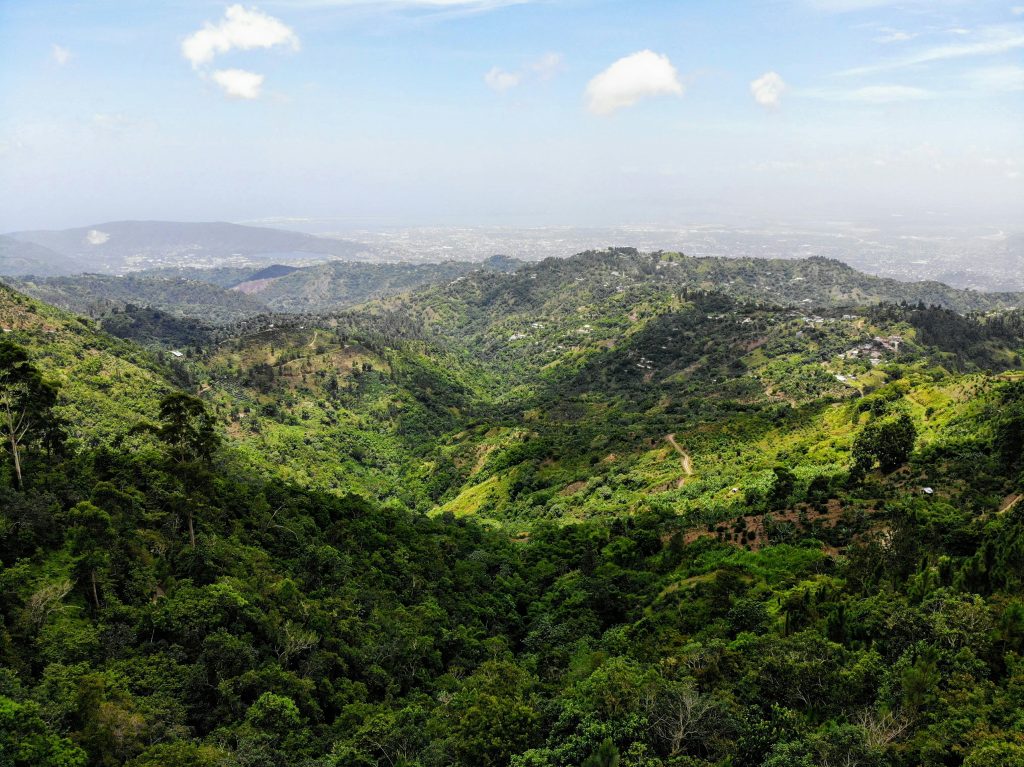
The Blue Mountains are noticeably cooler than the coast, especially first thing in the morning. Cloud often rolls across the higher slopes during the afternoon, so earlier walks generally come with clearer conditions.
St Lucia for Volcanic Peaks, Thermal Springs and Dense Rainforest
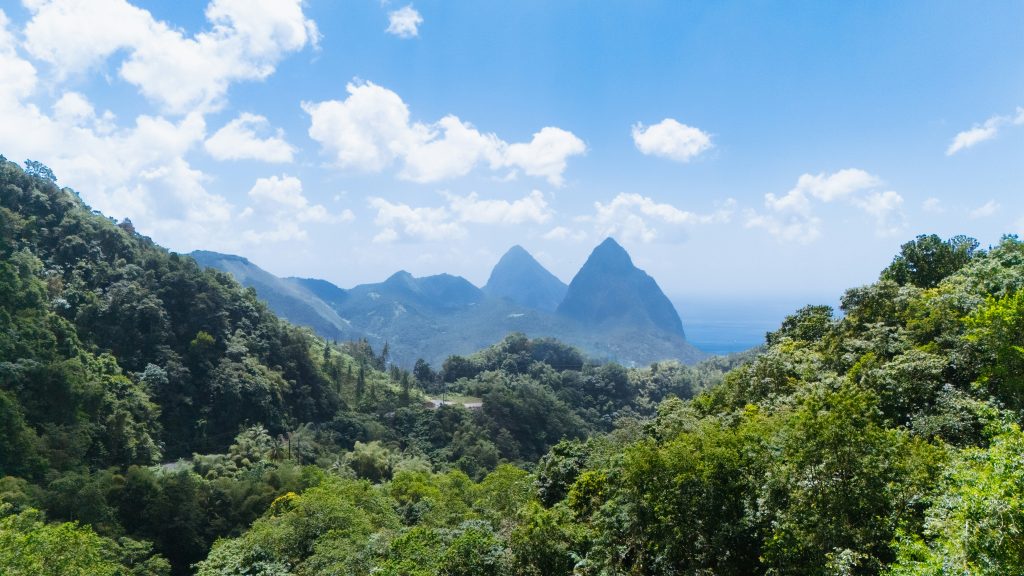
St Lucia’s main roads are winding and steep, passing through rural banana farms and small farming communities. Along the drive toward Soufrière, the twin volcanic peaks of the Pitons gradually dominate the skyline, and there are several safe roadside laybys where you can stop to view the landscape. Soufrière is the obvious base for seeing the volcanic area, where steam rises from the sulphur springs throughout the day, and the nearby mud baths remain popular. Arriving during the cooler morning hours ensures a far more tranquil experience, letting you walk the thermal areas in relative stillness before the midday humidity sets in.
The rainforest has several walking trails where hummingbirds, parrots, and tree frogs are regular sightings. Navigating the steep rainforest terrain and clay-heavy paths surrounding the Pitons requires sturdy, high-grip footwear, as the forest floor can quickly become slick under sudden coastal showers.
While the southern rainforests appeal to hikers, those heading north to the capital will find a different side of the island’s culinary heritage. Planning a visit to Castries Market is best timed for a Saturday morning, when farmers from across the island arrive to sell fresh produce. While the dry goods and craft stalls remain open throughout the afternoon, the outdoor food and spice vendors generally pack down their displays by early lunchtime.
Grenada for Spice Culture, Chocolate Traditions and Quiet Coves
Grenada’s preservation strategy is driven largely by community-led initiatives that protect the island’s unique ecosystems both on land and at sea. Local projects work to restore hurricane-damaged coral reefs, protect coastal mangrove systems, and manage active marine protected areas, which house underwater sculpture parks alongside traditional fishing grounds. This protective approach goes hand-in-hand with preserving cultural heritage, from traditional agriculture in the interior to heritage culinary techniques that remain distinct from standard resort menus.
The island’s relationship with cocoa runs deep, and several family-run farms focus on sustainable growing practices that protect the surrounding land while keeping local expertise alive. Observing the traditional sun-drying process on wooden trays and discussing cultivation methods with local growers offers a clear insight into Grenada’s established tree-to-bar chocolate industry.
The hilly streets of St George’s are highly navigable on foot, leading naturally down to the historic Market Square. This central hub is at its most active during the morning, serving primarily as a vital local trading space for fresh seafood and island produce. While Grand Anse is the island’s busiest stretch of sand, quieter alternatives like Morne Rouge Bay are situated just a short drive south and remain largely empty during the morning hours.
Which Caribbean island is calling you this year?
Every one of these islands approaches a Caribbean vacation a little differently. Turks and Caicos revolves around long beaches and clear water; Barbados balances coastal days with markets and rum heritage; Jamaica mixes city life with mountain scenery; St Lucia brings together volcanic landscapes and rainforest, while Grenada adds spice estates and chocolate production into the mix.
While the coastline offers effortless relaxation, stepping away to explore local infrastructure provides a much clearer understanding of each island’s distinct character. Incorporating straightforward detours into your itinerary, such as navigating a town market or stopping at a rural fruit stall, is the most effective way to experience each destination’s unique environment. These brief overland excursions provide a complete picture of the island’s landscape, leaving you better prepared to choose your next destination in the region.
…
Starting a business in the Caribbean?
Your website should work just as hard as you do.
At gandor.tv, we build clean, modern, and mobile-friendly websites designed specifically for Caribbean businesses.
With years of real-world experience, our team creates websites that look amazing and also run smoothly. This helps you reach more customers and grow your business online.
But hey, don’t just take our word for it — here’s what one happy client had to say:
“As the owner of a growing business, I need a reliable and TRUSTWORTHY guide to the digital world, who can do more than just websites. I found that in gandor.tv and their affiliation with the Coolest Carib network…””

About the Publisher: CoolestCarib
CoolestCarib.com is your go-to spot for everything Caribbean travel and lifestyle. The site brings the islands to life with fun articles, travel guides, cultural stories, and local highlights that capture the real vibe of the Caribbean. Whether you’re looking for travel tips, upcoming events, great places to eat, or must-see attractions, CoolestCarib helps you discover the best the islands have to offer.
It’s also a great platform for Caribbean businesses to get noticed. From restaurants and car rentals to hotels and water sports companies, local businesses can showcase their services to a bigger audience. Listings are shared across a network of 60+ Caribbean websites, helping brands connect with both tourists and locals.
Whether you’re planning your next island getaway or promoting your business in the Caribbean, CoolestCarib.com is all about connecting people with the culture, experiences, and opportunities that make the Caribbean special.

Please Note:
- For more articles on Caribbean islands go to CoolestCarib.com
- Follow CoolestCarib on Facebook, Instagram and Twitter
- For website creation, hosting & services visit gandor.tv




The post 5 Caribbean Islands Worth Planning Your Next Holiday Around appeared first on Caribbean Articles.