 info@belizevaca.com
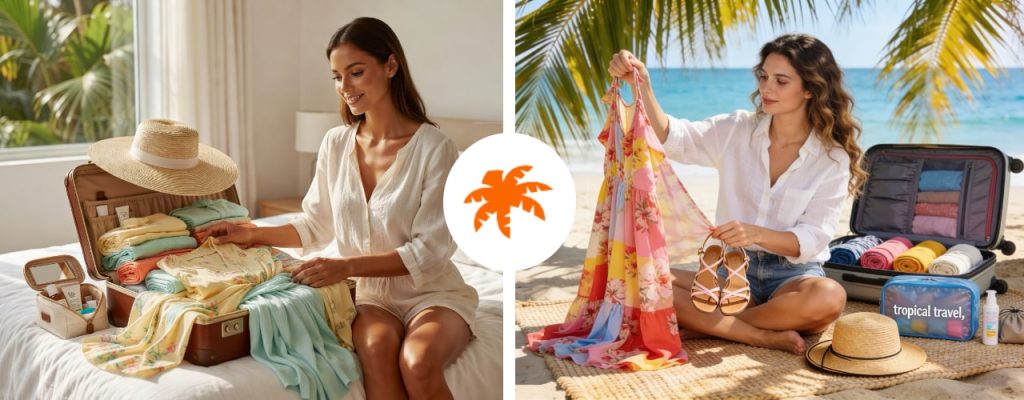
Most people headed to the Caribbean arrive at the airport with too much. A second pair of shoes for a dinner they probably won’t attend, a full-size shampoo bottle that ends up confiscated, and three books for a week in the sun when realistically one gets read. Packing smart for tropical travel isn’t about bringing less for its own sake. It’s about understanding what the climate actually demands, what you can pick up locally, and what takes up space without earning its place. Get that right and you move through the islands with freedom instead of friction.
Why Overpacking Happens in the First Place
Overpacking is almost always driven by anxiety, not genuine need. The “what if” thinking — what if it rains, what if there’s a nicer restaurant, what if I want to hike — adds layers of clothing and gear that never get used. For a Caribbean trip specifically, the environment itself resolves most of those scenarios: it’s warm, it’s humid, and the dress codes are relaxed almost everywhere.

Why Does Tropical Packing Feel Different?
Hot, humid climates change your wardrobe math. You need fewer layers and more breathable fabrics, and clothing dries fast enough to wear, wash, and repeat within 24 hours. That changes the calculation entirely — you don’t need seven shirts for a seven-day trip when three will cycle through. The same logic applies to footwear, outerwear, and toiletries. For travelers with health considerations or specific physical needs, preparation also extends beyond the bag, make sure to check specific Caribbean Travel tips. This way, you’ll learn about how climate affects what you actually need on the ground, from medications to mobility, and many of those principles apply to any traveler thinking carefully about what to bring.
Another driver of overpacking is the assumption that nothing will be available once you land. In reality, Caribbean islands are well-supplied with sunscreen, toiletries, over-the-counter medications, and basic clothing. Buying locally when you run out isn’t a failure of preparation — it’s efficient travel.

What to Do With the Things You’re Not Taking
Deciding what to leave behind creates its own problem: where does it go? This matters most for longer Caribbean trips, seasonal relocations, or travelers who are subletting their home while they’re away. Not everything can or should sit in an unlocked apartment for two weeks.
Where Should Your Belongings Go While You Travel?
For shorter trips, a trusted neighbor or a locked spare room is usually enough. But for longer stays, extended island-hopping, or situations where you’re leaving a home partially unoccupied, a more structured solution makes sense. Valuables, documents, off-season clothing, and equipment that won’t survive weeks of high humidity all benefit from a controlled environment during your absence.
A storage unit is one of the more practical options for this. Also the benefits go further than most travelers consider. Beyond simply freeing up space, keeping your items safe in a dedicated facility protects against humidity damage, theft, and the general uncertainty of leaving things in an unmonitored space for weeks at a time — a real consideration for anyone planning a lengthy Caribbean stay.
Building a Tropical Capsule Wardrobe That Actually Works
A capsule wardrobe for island travel works on the principle that every item should be usable in at least two different contexts — beach to bar, hike to lunch, pool to market. That cross-functionality cuts the total piece count without limiting what you can do.
How Do You Build a Capsule Wardrobe for Island Travel?
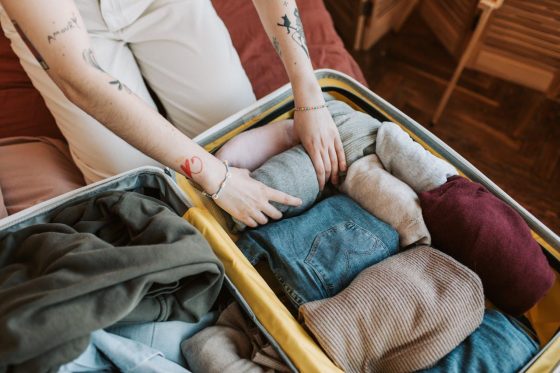
Start with a neutral base, linen, or moisture-wicking fabrics in colors that mix easily. For a week-long Caribbean trip, three or four tops, two bottoms, one lightweight layer for overly air-conditioned restaurants and flights, and two swimsuits is a workable core. The swimsuit count matters more than most people expect. Alternating two lets each dry fully, which becomes important in sustained humidity. If you take a look at moving tips for Caribbean living, you’ll notice everyone advises to go with lightweight, breathable fabric choices suited to the tropical climate in detail. This is advice that applies just as much to a two-week holiday wardrobe as it does to a long-term relocation.

Footwear is where most travelers over-commit. Two pairs covers almost every situation: one pair of sandals that can handle both beach and casual dining, and one pair of closed-toe shoes for any hiking or boat activity. A third pair adds weight and rarely gets worn. Apply the same test to every item before it goes in the bag: how many times will I realistically wear this?
Packing Toiletries and Gear Without the Bulk
Toiletries are the most common source of unnecessary weight. Most of them are also the easiest to address. Solid formats, travel sizes, and multi-use products eliminate the bulk without eliminating the function.
Which Toiletries Are Actually Worth the Space?
Bring a high-SPF reef-safe sunscreen — this is non-negotiable for a Caribbean trip. And the reef-safe requirement matters both for compliance with local marine protection laws and for genuine environmental reasons. Everything else should be evaluated against what’s available locally. Shampoo, conditioner, body wash, and basic skincare are stocked at pharmacies and grocery stores across the islands.
For items worth bringing in travel size rather than buying locally:
- Insect repellent (preferably DEET-free and plant-derived)
- Any prescription medications in their original containers, with enough supply for the full trip plus a buffer
- A small first-aid kit: blister plasters, antidiarrheal tablets, electrolyte sachets, and seasickness tablets for any boat days
- Dry bags or ziplock pouches for protecting electronics and documents from salt spray and tropical downpours
Packing for Activities Without Extra Bags
Water sports, hiking, and snorkeling are among the most popular reasons people visit the Caribbean — and each activity comes with its own gear temptation. Most of it can be rented, borrowed from your accommodation, or substituted with something more compact.
What If You’re Bringing Sports Equipment?
Snorkel masks and fins are the most common items travelers bring that they could easily rent on arrival — often for under $25 per day at any beach operation. Bringing your own makes sense only if you plan to snorkel daily and already own a well-fitting mask that beats whatever the rental shop offers. Kitesurfing gear is a different matter: boards and kites are bulky, expensive to check, and often too specific to rent in the right configuration for your level. The safety guidelines for kitesurfing in the Caribbean include a thorough pre-trip checklist for equipment that doubles as a useful model for any gear-heavy activity. Make sure to run through it before deciding what’s worth the luggage fees.

For any sport equipment you do check, the Transportation Security Administration’s guidance on sporting goods is worth reviewing before you pack. Fins, spearguns, compressed gas cylinders, and certain knives all have specific rules, and discovering the issue at the check-in desk is a poor way to start a Caribbean trip.
Pack for the Trip You’re Actually Taking
Packing smart for tropical travel comes down to one honest audit at the end: does every item in this bag have a job? The Caribbean doesn’t reward heavy luggage — it rewards light movement between beaches, boats, and towns. Strip the bag to what you’ll actually use. Handle the things you’re not taking with a plan rather than an afterthought, and you’ll spend your energy on the islands instead of managing what you brought to them. The less you carry, the more room there is for the thing that makes every Caribbean trip worth it: showing up fully present and ready to move.

Starting a business in the Caribbean?
Your website should work just as hard as you do.
At gandor.tv, we build clean, modern, and mobile-friendly websites designed specifically for Caribbean businesses.
With years of real-world experience, our team creates websites that look amazing and also run smoothly. This helps you reach more customers and grow your business online.
But hey, don’t just take our word for it — here’s what one happy client had to say:
“As the owner of a growing business, I need a reliable and TRUSTWORTHY guide to the digital world, who can do more than just websites. I found that in gandor.tv and their affiliation with the Coolest Carib network…””

About the Publisher: CoolestCarib
CoolestCarib.com is your go-to spot for everything Caribbean travel and lifestyle. The site brings the islands to life with fun articles, travel guides, cultural stories, and local highlights that capture the real vibe of the Caribbean. Whether you’re looking for travel tips, upcoming events, great places to eat, or must-see attractions, CoolestCarib helps you discover the best the islands have to offer.
It’s also a great platform for Caribbean businesses to get noticed. From restaurants and car rentals to hotels and water sports companies, local businesses can showcase their services to a bigger audience. Listings are shared across a network of 60+ Caribbean websites, helping brands connect with both tourists and locals.
Whether you’re planning your next island getaway or promoting your business in the Caribbean, CoolestCarib.com is all about connecting people with the culture, experiences, and opportunities that make the Caribbean special.

Please Note:
- For more articles on Caribbean islands go to CoolestCarib.com
- Follow CoolestCarib on Facebook, Instagram and Twitter
- For website creation, hosting & services visit gandor.tv




The post Packing Smart For Tropical Travel Without Overloading Your Luggage appeared first on Caribbean Articles.